Circle8
Home About Strategic Collaboration Global Design Series ↳ Editorial Index Testimonials Round Table ↳ Submit an Opportunity Contact
Galataport Precinct
← Turkey Editions

Precinct · Editorial · Istanbul

Galataport Precinct

What Istanbul Taught Me About Waterfront Design — and Why Sydney Should Be Taking Notes

Share this edition

"I've walked Barangaroo. I've spent time at Circular Quay. I thought I had a reasonable sense of what a well-designed waterfront could be. Then I walked Galataport, and I had to recalibrate."

01

I Wasn't Expecting This

When most Australians think of Istanbul, they think of history. The Blue Mosque. The Grand Bazaar. The Bosphorus. They think of a city that belongs to the past — magnificent, layered, ancient. What they don't expect is a city that is also building some of the most sophisticated mixed-use precincts in the world right now.

I didn't expect it either. I arrived at Galataport thinking I was visiting a port precinct. I left thinking I'd just seen the best waterfront development I've encountered anywhere.

Galataport stretches 1.2 kilometres along the Bosphorus into Karaköy. It is a cruise terminal, a retail precinct, a cultural destination and a public promenade — all at once, all working together, none of them feeling like they're fighting for dominance. That, in itself, is a remarkable achievement.
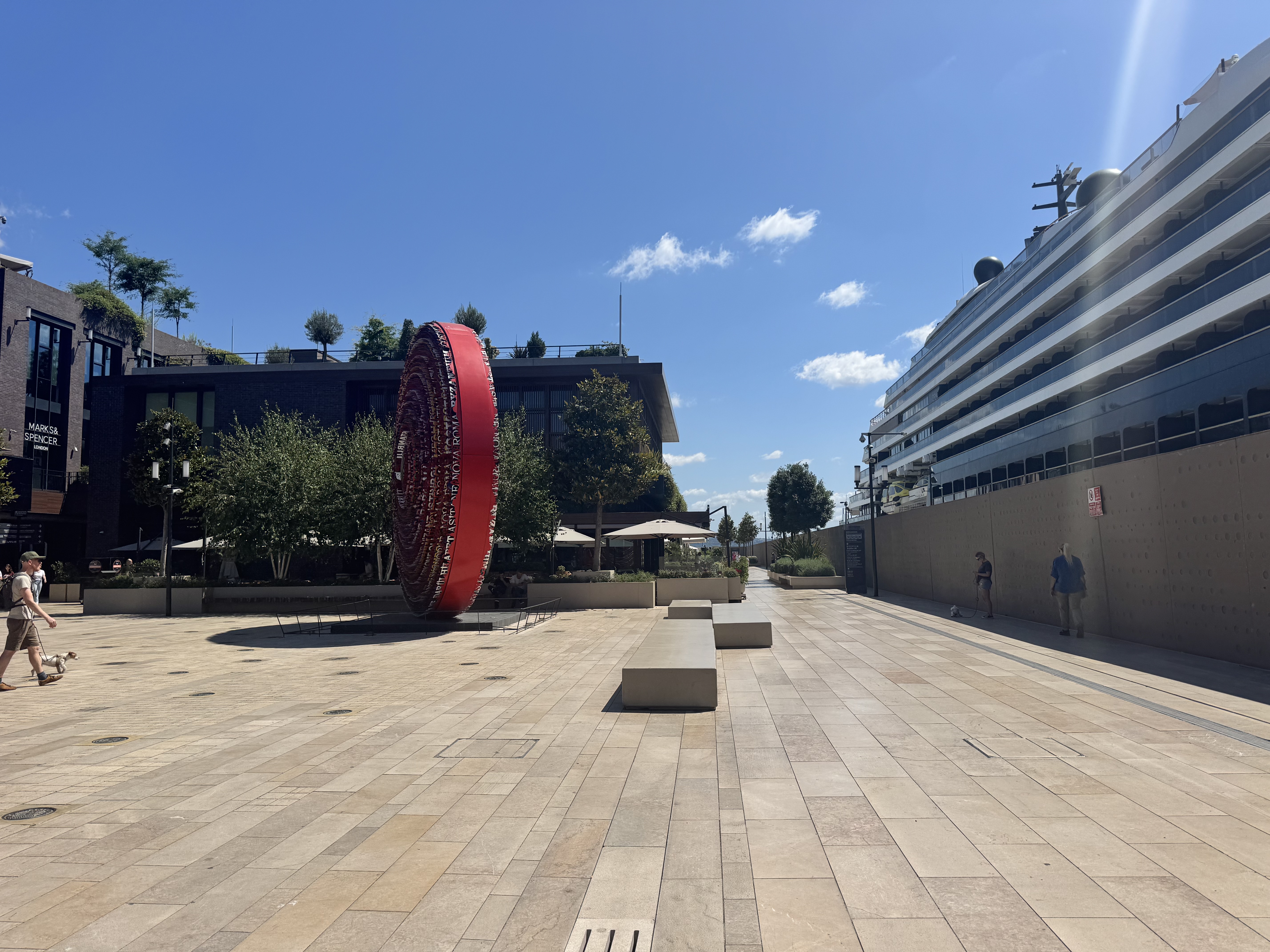
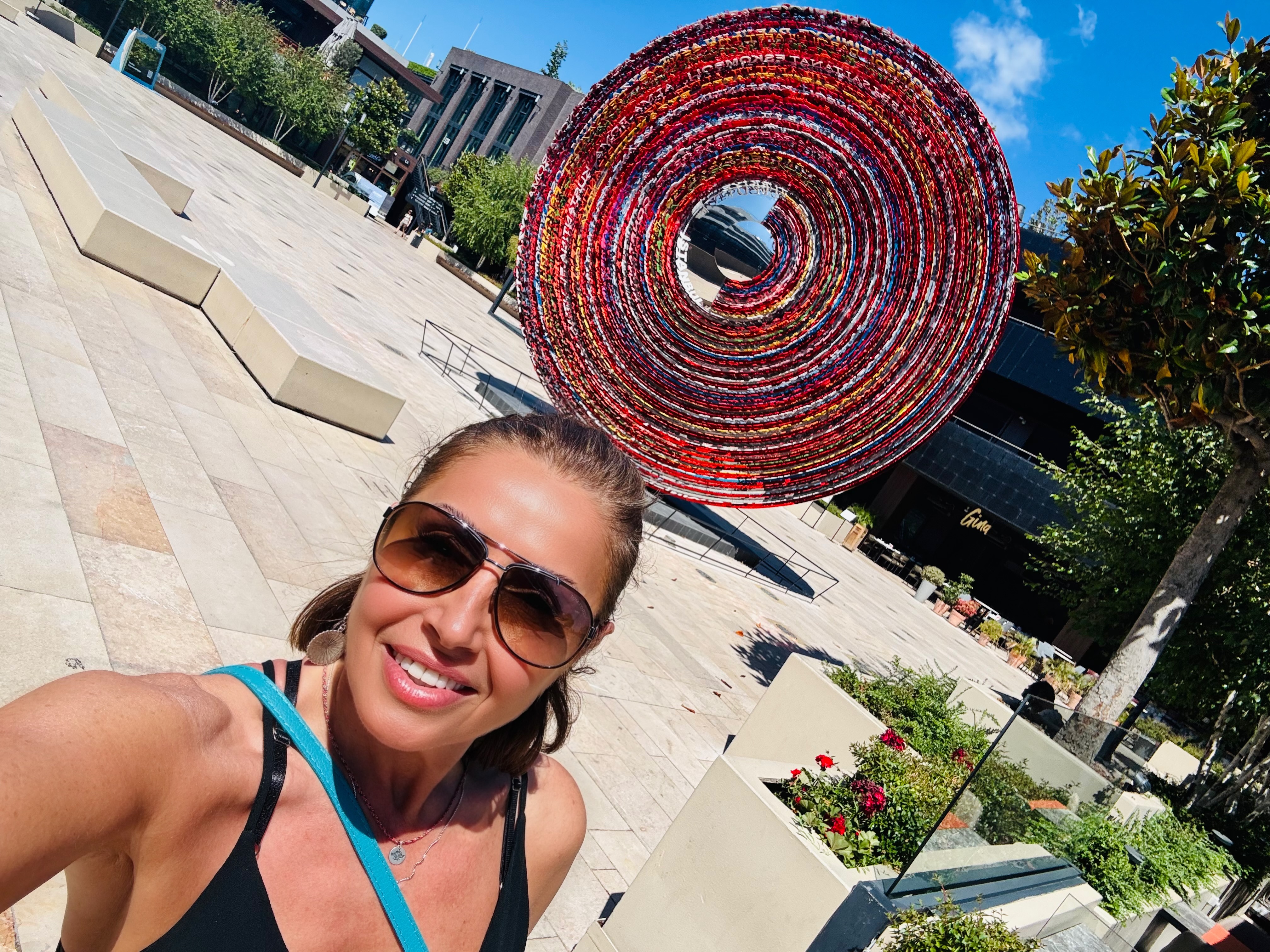
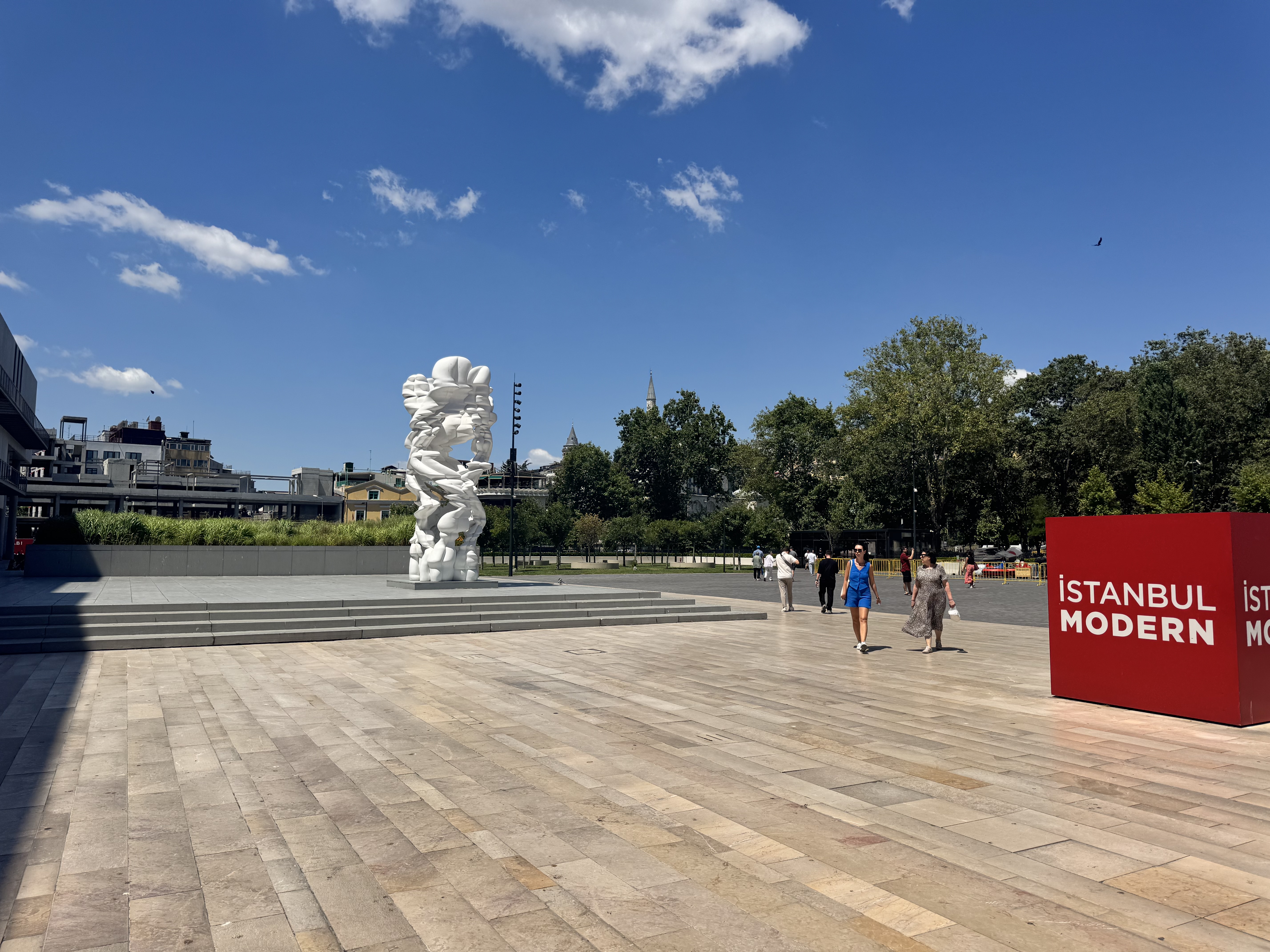
Public art plaza at Galataport
The central plaza — public art, open promenade and a cruise terminal in co-existence
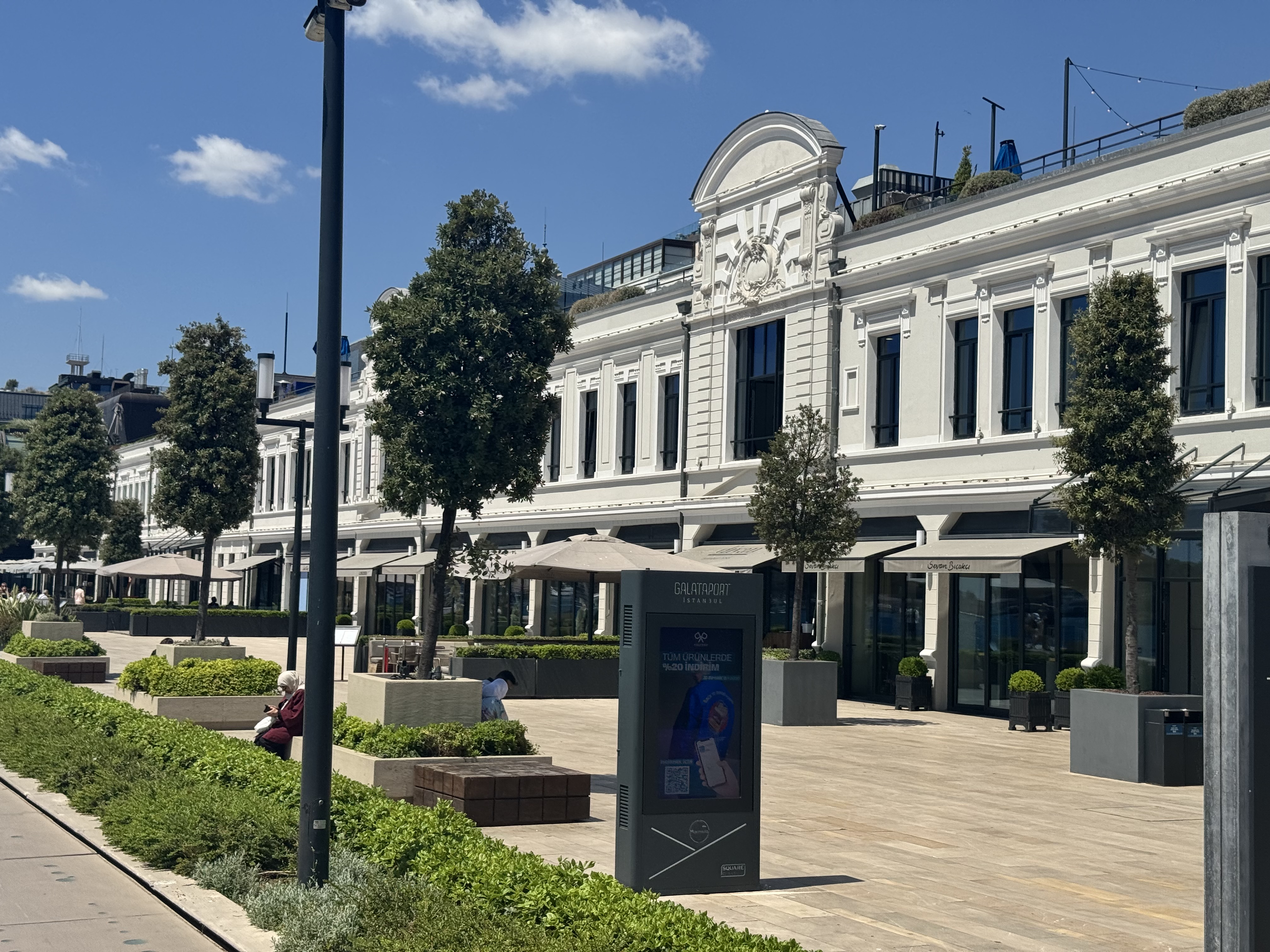
Galataport historic building
The historic parcel post office building — restored and now anchoring the retail promenade
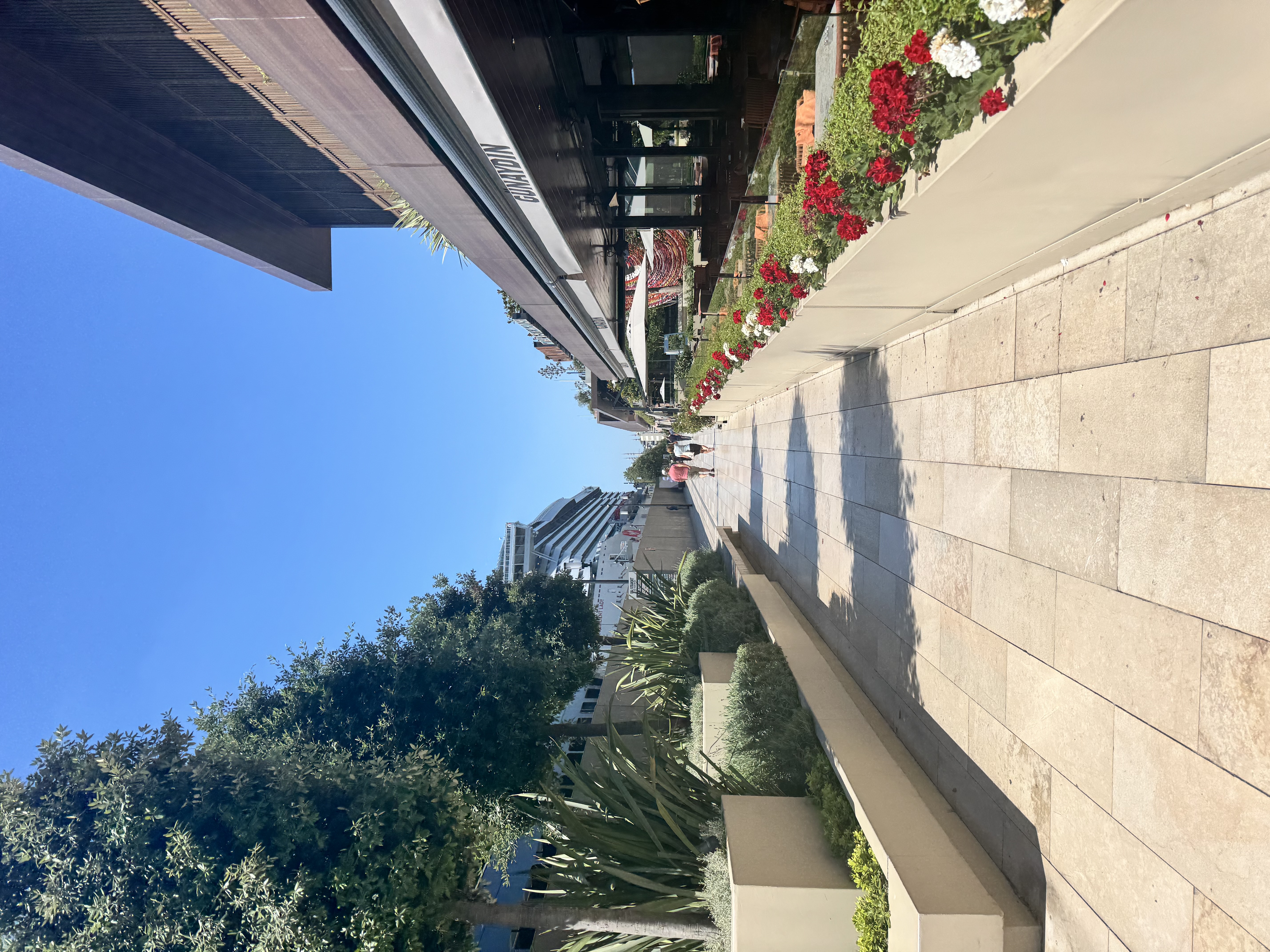
The Bosphorus promenade
The Bosphorus promenade — the street as the statement
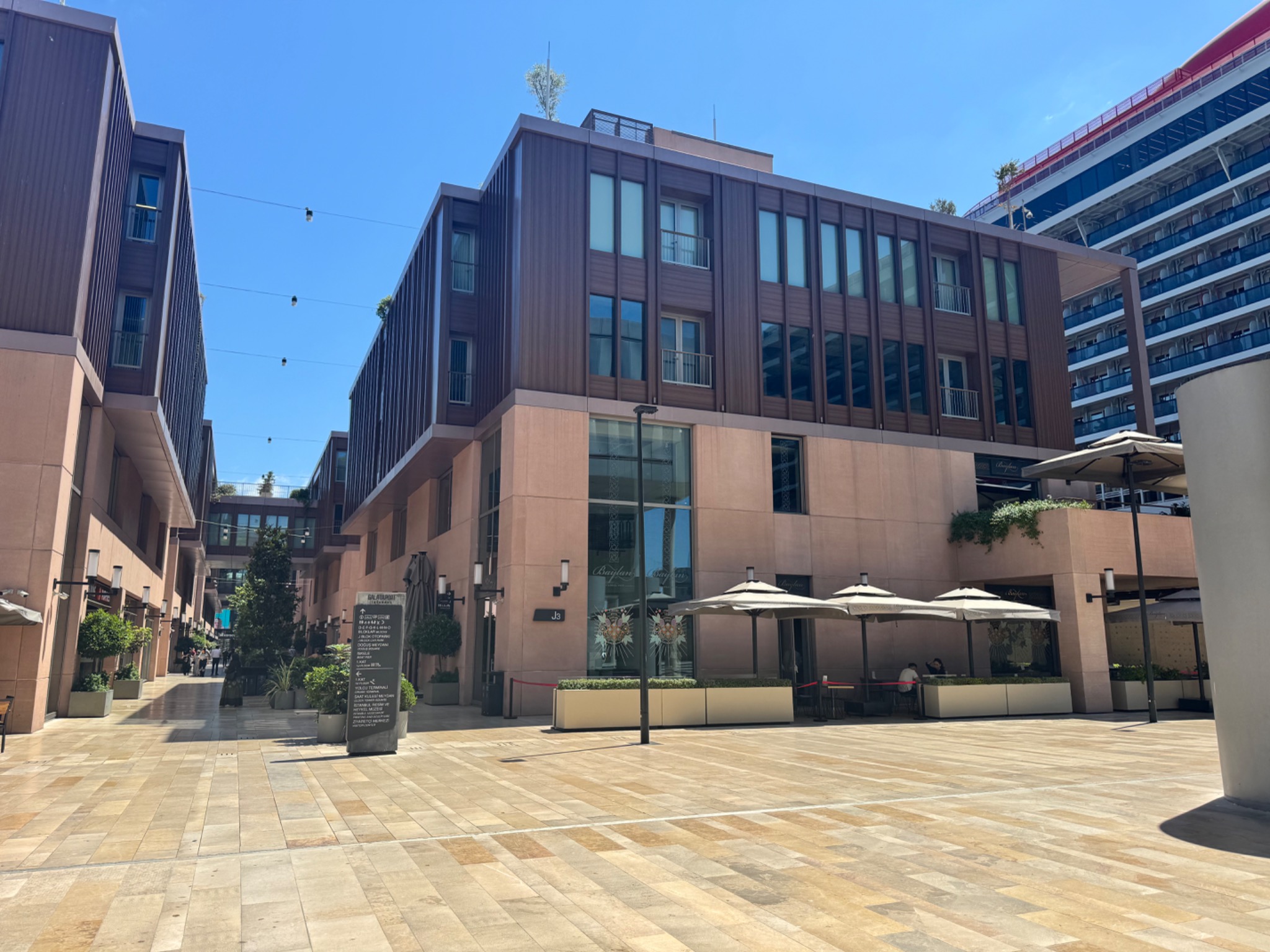
Galataport retail architecture
Travertine paving, timber-clad facades — a material palette that will age well
02

What Galataport Gets Right That's Worth Talking About

Barangaroo is a genuine achievement — and I say that without qualification. What Galataport made me think about is not what Barangaroo got wrong, but what the two projects prioritised differently. At Barangaroo, the architecture is the statement. At Galataport, the passage is the statement. The buildings recede. The promenade breathes. Retail and hospitality are set back, which means you're walking along the Bosphorus first, and discovering the shops as you go. It's a subtle difference in sequencing, but you feel it immediately in how relaxed the whole precinct is. It's worth asking — when we plan our next waterfront, which model are we designing toward?

The difference is also texture. Galataport doesn't feel like a development. It feels like a neighbourhood that has always been there — one that happens to have been built from scratch in the last decade. The material palette is warm and restrained: travertine paving, timber-clad facades, stone detailing that references Istanbul's historic building traditions without replicating them. Nothing is trying too hard.

The landscaping is generous and layered — not decorative, but structural to the experience. It slows you down. It gives you reasons to stop. And when you stop, you notice the detail: the quality of the stone, the considered lighting, the way the planting softens the transition between the built edge and the water.

03

Another Pause Moment

I'd been walking for over an hour — alone, heading from my hotel toward the old town along the river — when the precinct appeared. No map, no itinerary. Just a waterfront that kept pulling me forward. Istanbul Modern announced itself gradually: first the forecourt, then the glass facade sitting low and horizontal against the Bosphorus, deferring to the water and the skyline shared with a cruise terminal, all in co-existence rather than competing with one another.

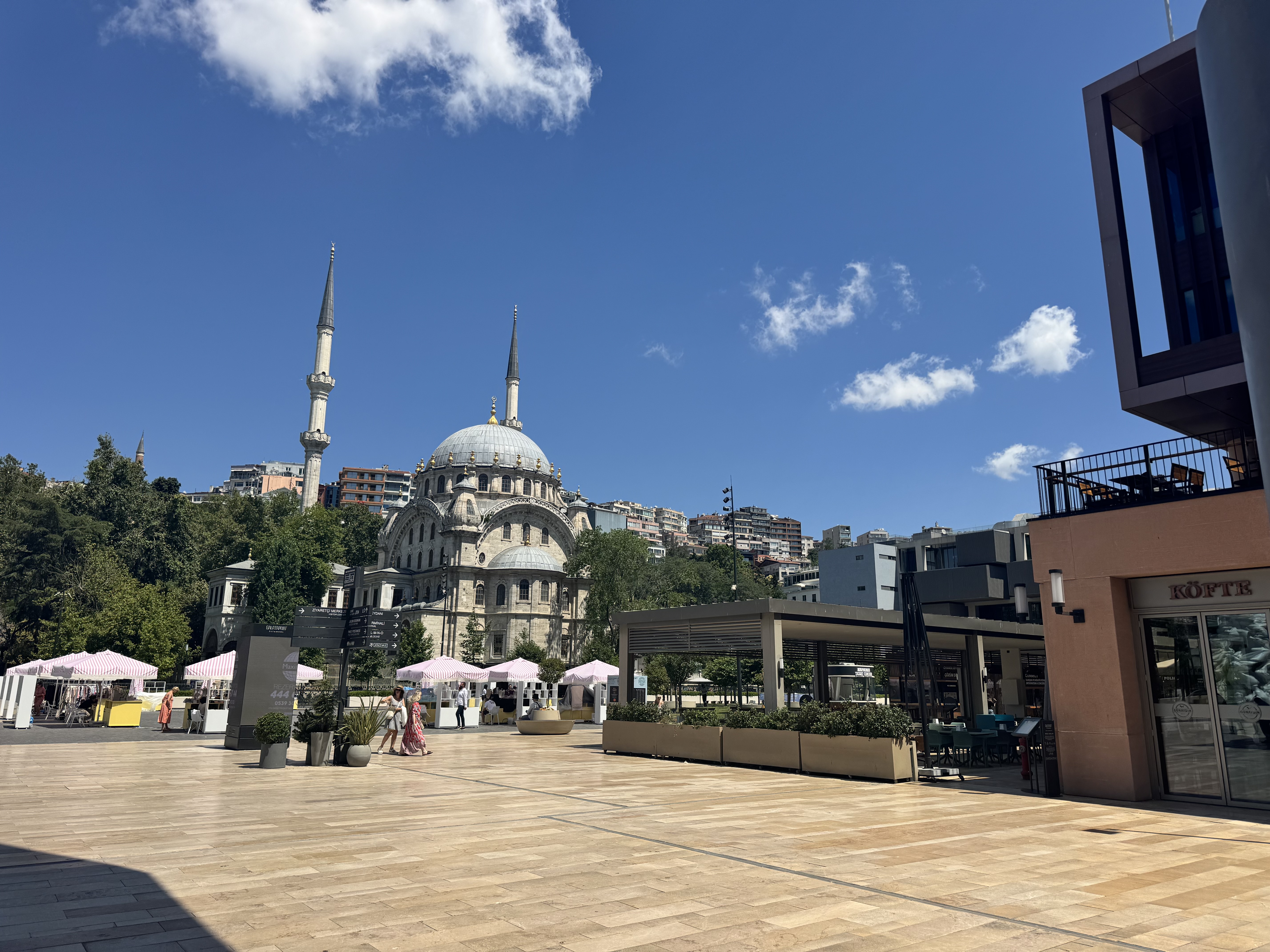
Nothing competed with the city behind it — the Nusretiye Mosque, the minarets, the layered roofline of Karaköy. It deferred to all of it, and in doing so, it becomes part of something much larger than itself.

In the forecourt, a sculpture called the runner occupied the space. A bold, figurative sculpture — monumental in scale, 6 metres tall and unmistakably contemporary. Here it was, in front of that glass facade, with a 500-year-old mosque rising directly behind it. The juxtaposition was not accidental. It was the whole point. Istanbul doesn't ask you to choose between the ancient and the contemporary. It insists you hold both at once.

That quality — the ability to hold contradiction without tension — is something I find genuinely instructive. It's not something you can manufacture. But you can create the conditions for it. And Galataport has created those conditions.

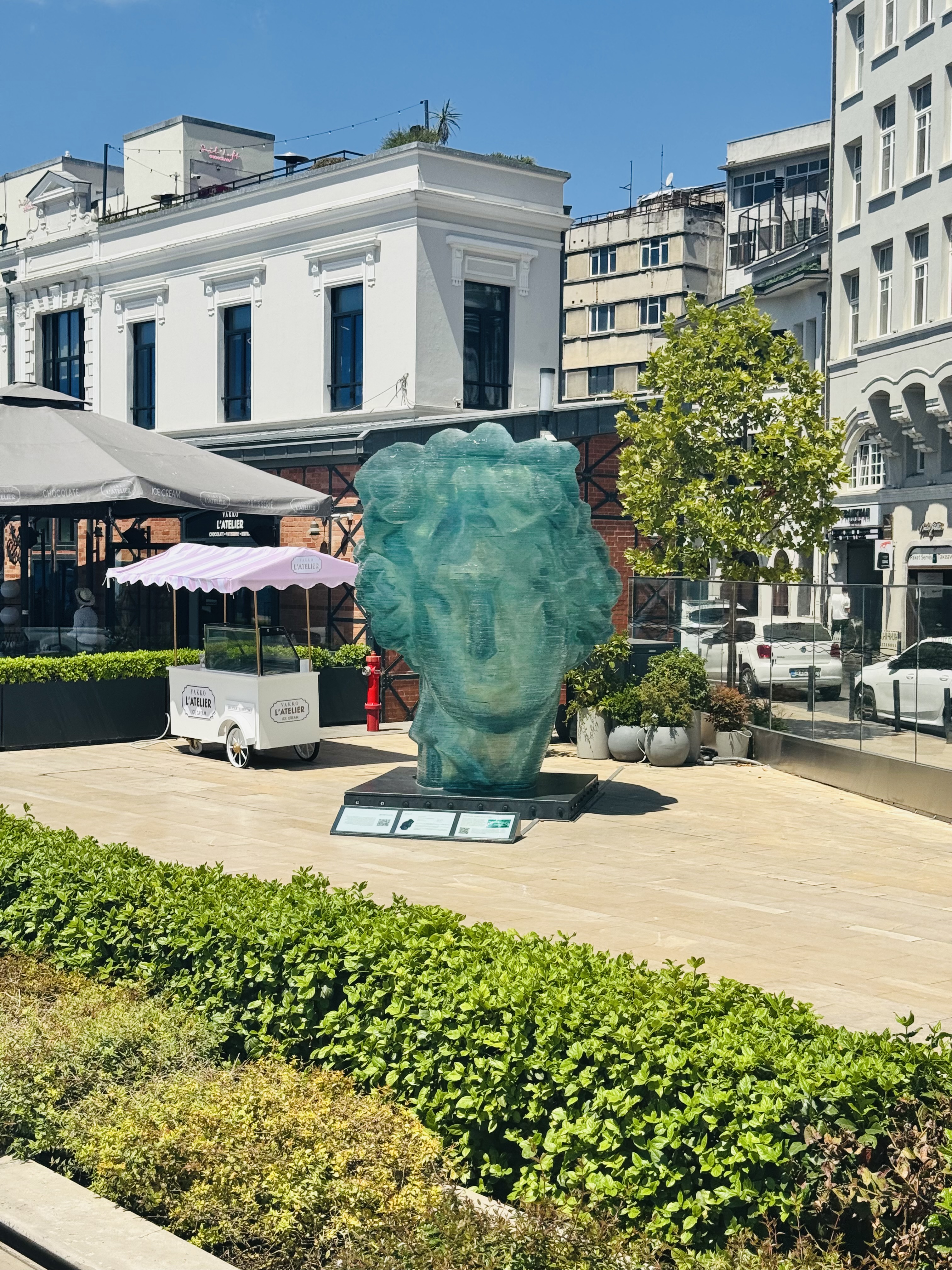
Street sculpture in Karaköy
Street sculpture in Karaköy — culture woven into the public realm at every scale
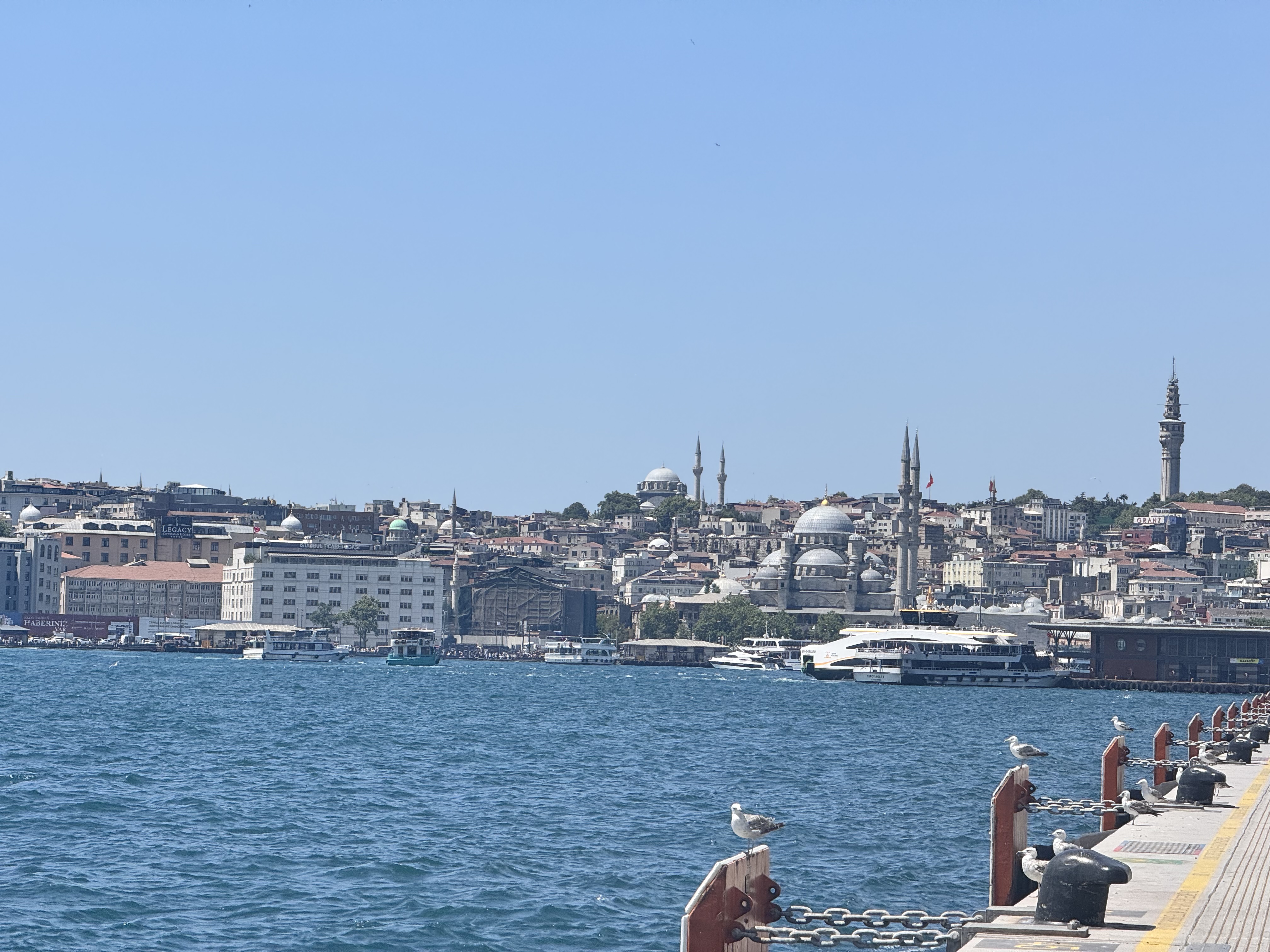
Nusretiye Mosque above Galataport
The Nusretiye Mosque rising above the Galataport precinct — ancient and contemporary in co-existence
The runner sculpture at Istanbul Modern
The runner sculpture at Istanbul Modern — 6 metres of contemporary art, a mosque rising directly behind it
04

What Sydney Can Learn

I've been in this industry long enough to be sceptical of the phrase "lessons learned." But Galataport genuinely changed how I think about a few things, and I want to be specific about what they are.

The first is about the hierarchy of investment. Galataport succeeded because the public realm was treated as the primary asset — not the retail tenancies, not the hotel keys, not the cruise terminal. When the street is good, everything else follows. That's not a new idea. But it's one that gets consistently overridden in the development process when short-term returns are being modelled.

The second is about material honesty. The precinct doesn't try to look expensive. It tries to look considered. The travertine, the timber, the stone — these are materials that will age well, that will develop patina, that will feel better in ten years than they do today. That is a long-term investment in the quality of place. It's also, I'd argue, a more commercially intelligent investment than materials that look impressive on opening day and tired by year five.

The third is about cultural programming as a development strategy. Istanbul Modern is not an amenity. It is an anchor. The decision to include a world-class cultural institution within the precinct fundamentally changed what Galataport could be — it gave the development a reason to exist beyond commerce. And in doing so, it made the commerce more valuable. That's a model worth studying for anyone developing mixed-use precincts in Australia right now.

The Istanbul skyline from Galataport
The Istanbul skyline from the Galataport waterfront
05

What I Brought Home

I came back from Istanbul wishing I'd taken more photographs — I was too caught up in just being there, which is probably the most honest thing I can say about the experience. What I did bring back was a renewed conviction that the best thinking about design and development doesn't happen at a desk. It happens in places. Which is why we keep going.

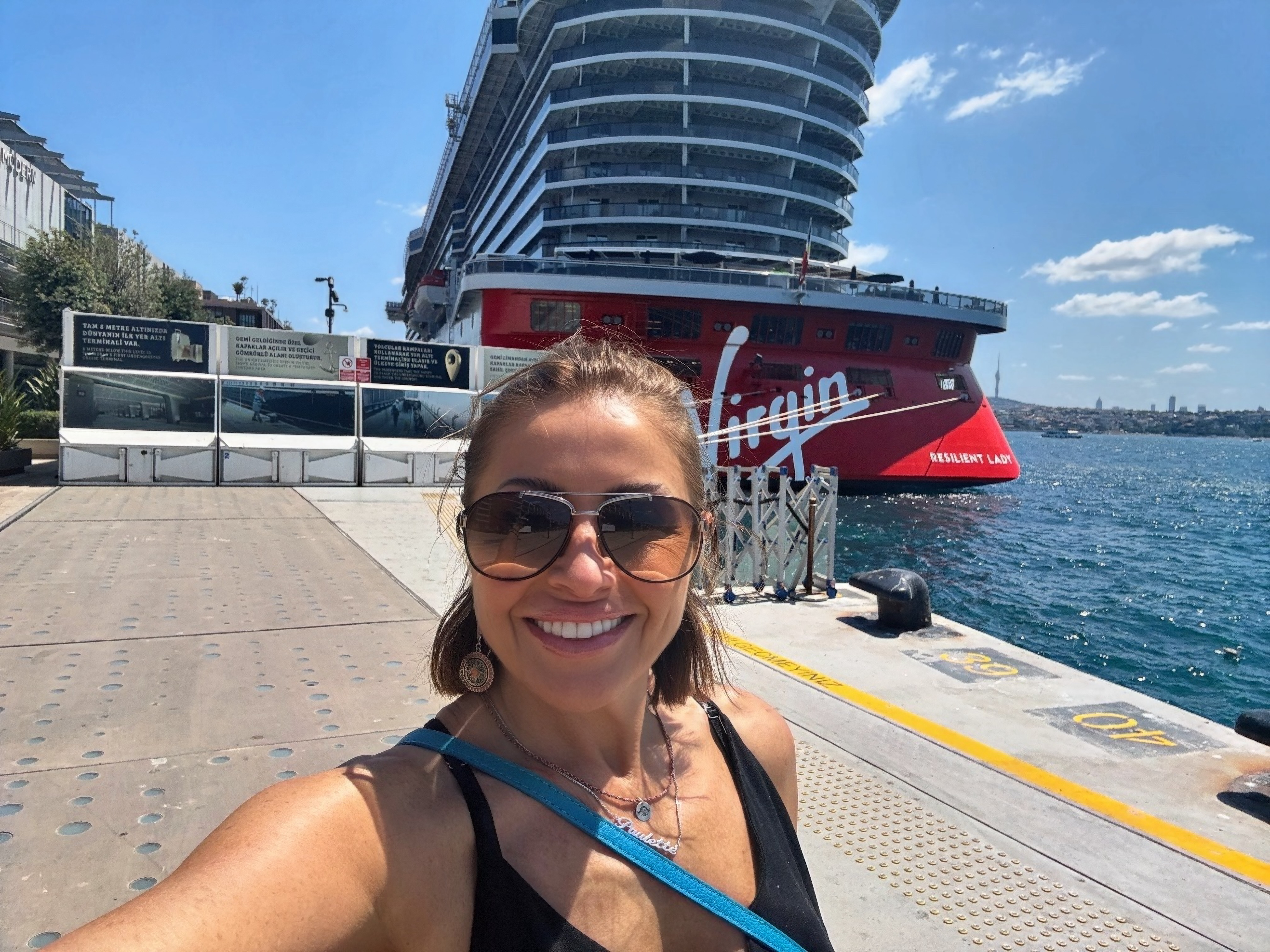
Paulette at the Galataport cruise terminal
At the Galataport cruise terminal — the waterfront that kept pulling me forward
Take This to the Round Table

A question worth eight perspectives:

"When we plan our next waterfront or mixed-use precinct in Sydney — are we designing toward the architecture as the statement, or the passage as the statement?"

Bring this question to a Circle8 Round Table →
A Note on How We Work

The Circle8 Global Design Series is not a travel blog. It's a research practice. When we visit a project like Galataport, we're looking at it through the lens of our work — the residential developments, commercial fitouts and construction projects we advise on in Australia. We're asking: what does this mean for us? What can we take back?

Sometimes the answer is a specific material or detail. Sometimes it's a principle. Sometimes it's just a recalibration of what's possible — a reminder that the standard we're holding ourselves to should be set by the best work being done anywhere in the world, not just the best work being done locally.

Istanbul gave us that recalibration. I hope this edition gives you something useful too.

Share this edition

Circle8 Global Design Series

The world's greatest environments inspire us to think differently.

More editions coming soon. In the meantime, let's talk about what great design could mean for your next project.

Next Edition: Hagia Sophia → Start a Conversation